A future workforce taking shape in Queensland classrooms
Queensland is preparing for one of the most significant periods of building and manufacturing activity in its history. Brisbane 2032 infrastructure, housing targets and growth in advanced manufacturing are all drawing on the same pool of skilled workers. Construction Skills Queensland's Horizon 2032 report projects that the construction workforce shortfall will persist for the next eight years, peaking at around 50,000 workers in 2026-27 (Master Builders Queensland).
Many of the people who will fill those roles are young people in school trades workshops today, which means that the quality of industrial technology education in Queensland schools has a direct bearing on the state's future workforce. Preparing those students for a changing future depends on the educators who teach them, and on how closely their practice reflects the industries students are preparing to enter.
Why industry currency matters for future-ready learning
Construction, engineering and advanced manufacturing are evolving quickly, with new materials, technologies, safety standards and ways of working. For students completing industrial technology qualifications, the value of that qualification rests on whether what they learn in the workshop reflects what will be expected of them on site.
Industry currency is how teachers and trainers keep that connection strong. In Queensland schools VET trainers maintain a trainer skills matrix evidencing current industry skills and knowledge, and liaise with industry so that training and assessment reflects current workplace practice (QCAA). The Queensland Department of Education links industry currency to stronger school-industry partnerships and training that responds to industry needs (Department of Education).
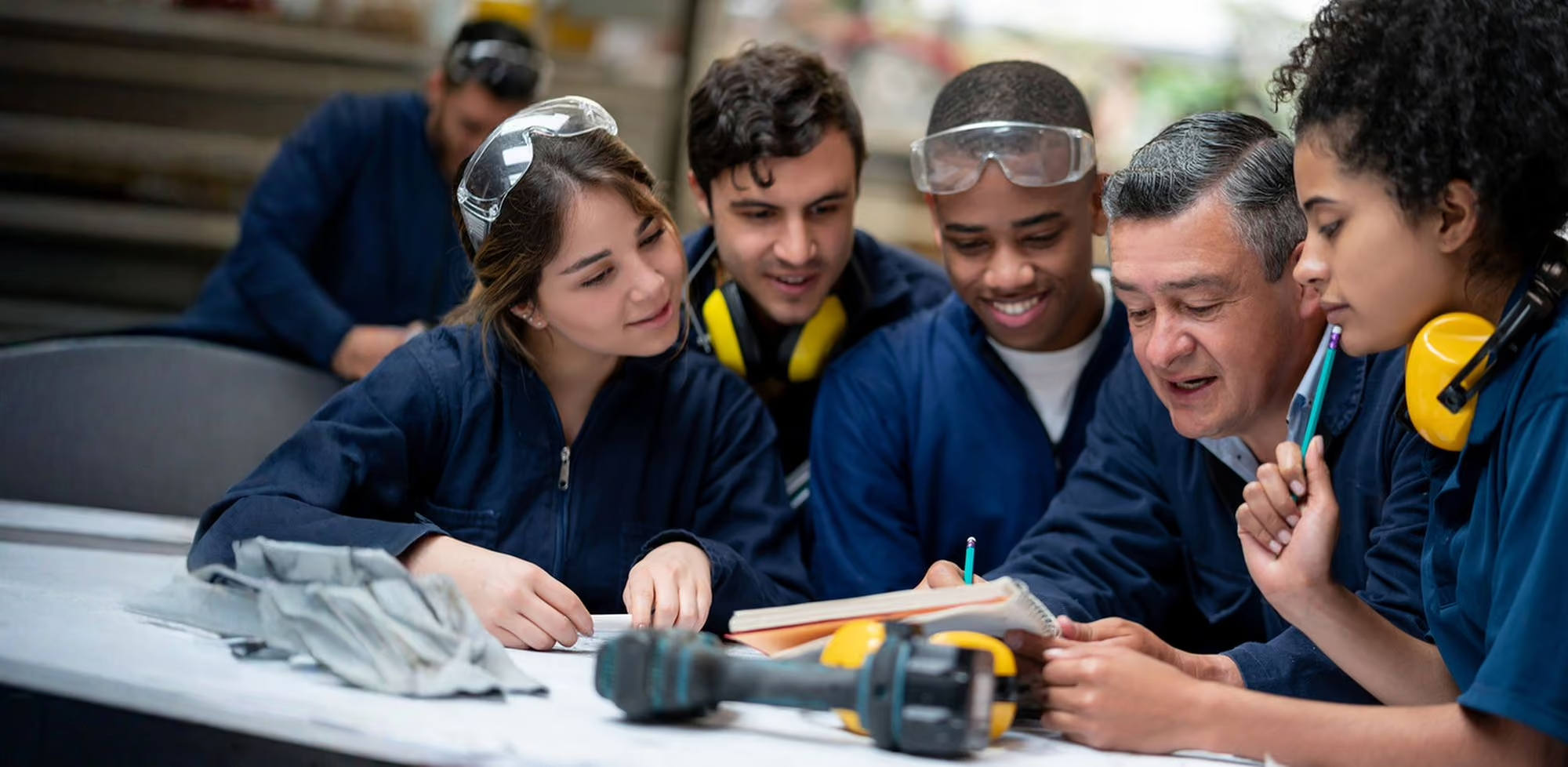
For students, this shows up in practical ways: learning with the tools and methods used in workplaces today, understanding current safety expectations, and developing the habits employers value in an apprentice, such as reliability, communication and a readiness to learn.
Effective teaching: Pairing industry knowledge with strong pedagogy
Current industry knowledge reaches students through high-quality pedagogical practices. Many industrial technology educators bring deep trade experience into the classroom, while others move into the subject area from other curriculum areas with strong classroom craft. Each pathway benefits from targeted professional learning, whether it be classroom management, lesson planning, project sequencing or upskilling in current trade practices.
When the two come together, students experience practical learning that is well-structured and authentic to the workplace, and leave school with clearer pathways into apprenticeships, further training and employment. Approaches that support this include:
- Hearing directly from employers and former students about what workplace readiness looks like
- Designing realistic training scenarios modelled on real worksites
- Collaborating across schools to share projects, resources and delivery approaches
- Using structured observation, feedback and reflection to refine practical teaching
- Drawing on a range of strategies and tools, including AI, to produce quality learning resources efficiently
An industrial technology qualification carries its full value when what students practise in the school workshop reflects what they will be asked to do on site.
Industrial Technology Teaching Summit 2026
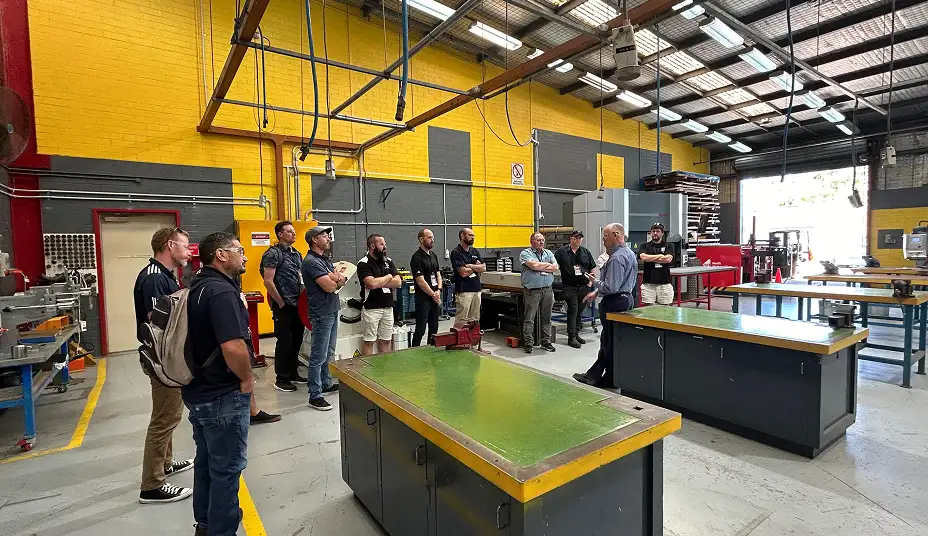
These ideas sit at the centre of the Industrial Technology Teaching Summit, a day of industry insight, collaboration and professional learning hosted by ReadCloudVET. The summit is designed for teachers and trainers delivering industrial technology subjects, from junior Industrial Technology and Design through to senior VET in Schools and pre-apprenticeship programs.
When: Tuesday 1 December 2026, 8:30am to 3pm AEST
Where: West Moreton Anglican College, 8 Keswick Road, Karrabin QLD
Program highlights include:
- Lighting the Fire: past graduates and their employers share what makes emerging tradespeople successful
- From Site to Classroom: translating real-world field experience into classroom delivery through realistic training scenarios
- How Industry Sees the Future: industry bodies including Manufacturing Skills Queensland on the future of trades, construction and manufacturing, and the skills future workers will need
- Classroom practice sessions: teaching skills transfer, classroom management, lesson observation and effective AI use in practical classes
- Collaboration time: sharing projects, resources and delivery approaches with educators from other schools
Shaping the next generation of industry-ready graduates
Preparing young people for a changing future asks educators to continue learning alongside the industries they teach. When industrial technology educators stay connected to industry, understand emerging trends, and continue to refine their pedagogy, students complete their qualifications ready to contribute from their first day on site, and Queensland gains the skilled workforce it needs for the decade ahead.
Register for the Industrial Technology Teaching Summit 2026
About ReadCloudVET
ReadCloudVET works with schools to design VET programs that open up choice and opportunity for students, supporting every stage from initial planning through to ongoing compliance so that schools can deliver impactful VET programs with confidence. Through our auspicing partnerships, we support schools and their trainers with specialist advice, adaptable learning materials and a range of pathway options, including taster programs, Year 9 / 10 electives, skill sets, partial qualifications and full qualifications that contribute to state senior curriculum recognition.
Sources
- Skills shortage threatens to stall Queensland's construction future, Master Builders Queensland, April 2025
- School students in VET reach highest level since collection began in 2006, The Sector, October 2025 (reporting NCVER's VET in Schools 2024)
- 5.4 VET roles and responsibilities, QCAA QCE and QCIA policy and procedures handbook
- Industry placement for VET teachers, Queensland Department of Education, updated January 2026